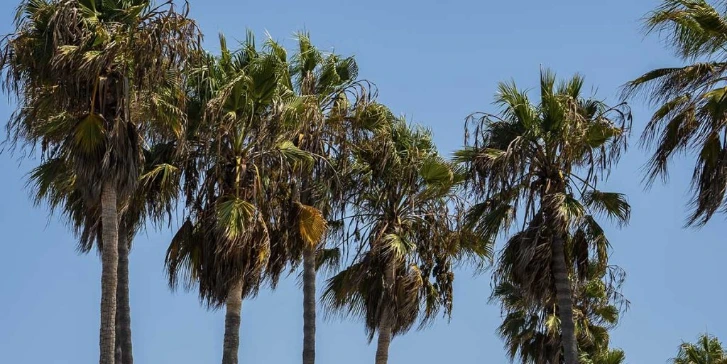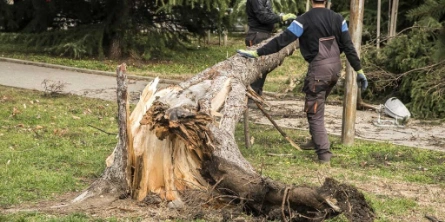
That brown, brittle tree in your yard may look harmless, but it could pose a growing risk. If you’re on the fence about scheduling tree removal service in Phoenix, it helps to know what waiting can cost you.
In this guide, Elite Tree Service explains the risks of delaying dead tree removal, starting with why a dead tree becomes less stable over time.
Warning Signs That a Tree May Be Dead
Check your tree for the following warning signs:
- Bare branches: Limbs that stay leafless through the growing season often mean the tree has died.
- Peeling bark: Bark that flakes off in large sections can point to dying tissue underneath.
- Brittle twigs: Small branches that snap instead of bending often signal lifeless wood.
- Fungal growth: Mushrooms near the base often suggest the roots are rotting.
For more context, read about the signs it’s time to remove a tree and arrange a professional assessment if several apply to yours. Until a professional can inspect the tree, keep people and vehicles away from it. You should also avoid removing any loose branches yourself, especially after a storm.
From a safe distance, photograph concerning branches or trunk damage. You can then show these to your arborist for reference during the assessment.
What Falling Branches Can Do to Your Property
Dead branches can fall without warning and damage anything beneath them. A heavy limb may break high in the canopy, bringing smaller branches down with it and making the area below unsafe until it is cleared.
Damage to Your Home and Vehicles
A single heavy limb can crack roof tiles or dent a parked car. Repairs for this kind of property damage add up quickly, and your insurer may question a claim when the tree was clearly dead.
Injuries and Other Safety Hazards
Children playing beneath a dead tree and neighbors walking past your fence line face real safety hazards. A falling limb can also bring down power lines, which creates outages and added danger. You could be held responsible if someone else is hurt or their property is damaged.
How Dead Trees Invite Pest Infestations
Weak, decaying wood is an open invitation for insects. Termites and wood-boring beetles feed on dead tissue, and a dead tree gives them a steady food source. Once pest infestations take hold, they can spread to nearby wooden structures and healthy trees.
Pests also speed up wood breakdown. That shortens the time you have before the tree fails.
Storm Season and Fire Concerns in the Valley
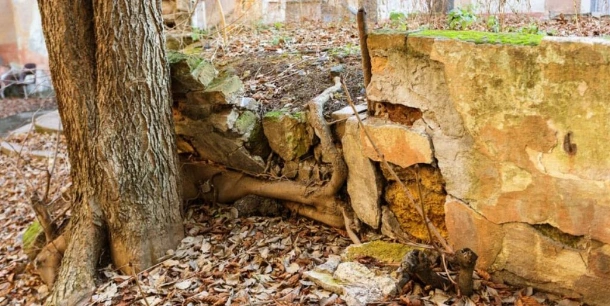
Phoenix’s monsoon season runs from mid-June to late September, and sudden gusts can top 60 mph. A dead tree has little flexibility left, so strong winds can snap the trunk or uproot the tree if its roots have weakened.
Lifeless wood also ignites easily. If sparks land nearby, a dead tree can become fuel that carries flames toward your home.
How Waiting Raises Your Removal Costs
Here is how the costs can change over time:
- Routine removal: Taking down a dead tree while it is still intact is usually the simplest and least expensive job.
- Added complexity: A rotting trunk may require extra rigging because crews cannot trust the wood to hold.
- Emergency calls: After a collapse, you may pay urgent-response rates on top of cleanup and repairs.
Scheduling dead tree removal early keeps the job on your timeline, not nature’s.
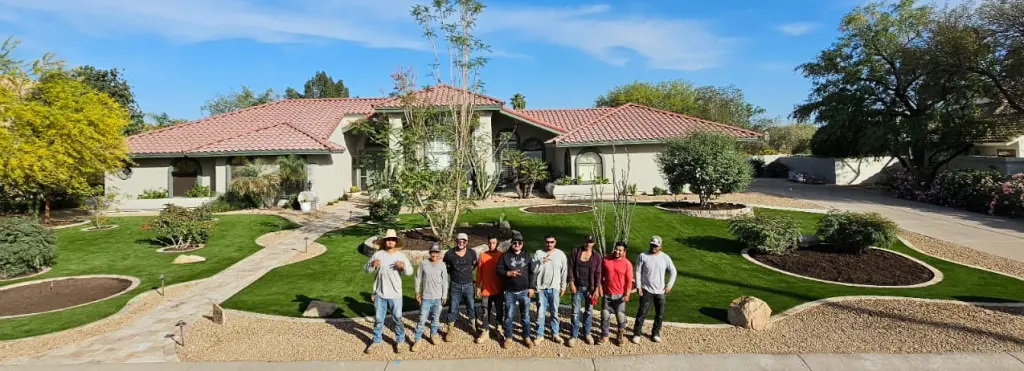
Protect Your Phoenix Yard With Elite Tree Service
A tree’s condition and location shape how crews can remove it safely, especially if its limbs hang over your roof. We help Phoenix homeowners remove unsafe trees before a weakened tree falls or causes damage, and our team can spot signs of internal tree rot that are easy to miss. Our certified arborists assess the affected tree and provide a detailed plan for your approval before work begins.
If a dead tree is worrying you, call Elite Tree Service at (602) 603-8393 to schedule dead tree removal in Phoenix, AZ.