You noticed your front-yard palm turning yellow last month, and now the crown looks thin. Palms decline differently from shade trees, so early warning signs can be easy to miss.
Most homeowners call a tree removal service in Phoenix, AZ, only after a monsoon has dropped part of a trunk onto the driveway. Elite Tree Service’s ISA-certified arborists explain how to know when a diseased palm tree needs removal and responsible desert tree care.
Why Desert Palms Get Sick in the First Place
Palms define Phoenix’s desert landscape and can add property value, but harsh conditions keep them under constant stress. Extreme heat weakens a palm’s natural defenses, especially when combined with improper irrigation or aggressive pruning.
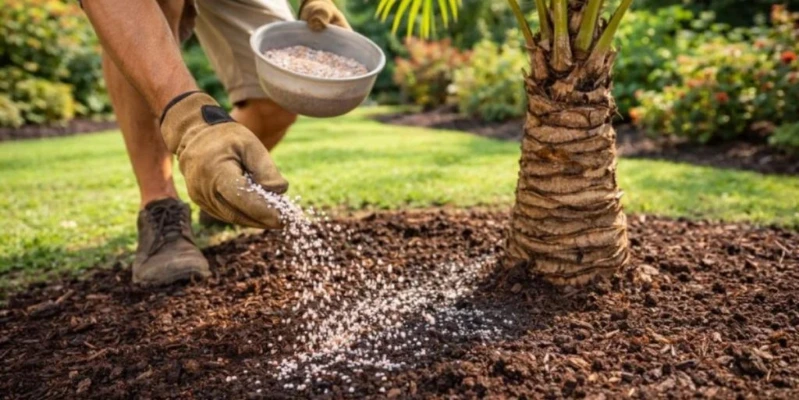
Fungal and bacterial infections can develop once those defenses weaken. Palm tree health depends far more on deep, steady watering than on fertilizer. Learning when a diseased palm tree needs removal begins here, because a stressed palm and a dying palm are different situations.
Common Signs of Severe Palm Illness
Many palm diseases show early symptoms in the crown, but dangerous trunk decay can also develop near the base.
Frond Color and Crown Density
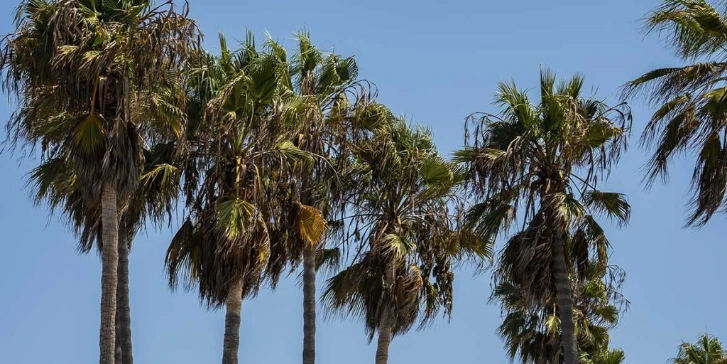
Dead palm fronds hanging near the bottom are normal, since older growth dies off every season. Upper fronds may show progressive yellowing, then browning as stunting develops, signaling severe vascular compromise or the onset of heart rot.
Trunk Bleeding and Soft Spots
Press on the trunk in several places, especially the lower few feet. Deep internal fungal decay may cause oozing sap before sunken bark patches develop and trunk tissue becomes spongy.
Stalled Growth at the Bud
The spear frond at the center should push out new growth each season. When it pulls loose easily, severe bud damage may stop growth and lead to crown collapse.
Deadly Palm Pathogens Common in Arizona
Our dry climate may limit some pathogens, but serious fungal diseases still affect palms across the Valley. Several serious fungal diseases affect palms across the Valley, and advanced infections may leave removal as the safest option. Identifying the culprit tells you whether a diseased palm tree needs removal or just better care.
Three serious palm diseases found in Arizona include:
- Fusarium wilt: Fusarium fungi attack vascular tissue, causing one-sided frond death in Canary Island date palms and Washingtonia species.
- Ganoderma butt rot: Shelf-like conks near the base can indicate internal decay that weakens the lower trunk and its structural integrity.
- Thielaviopsis trunk rot: Severe infection can weaken trunk tissue and increase the chance of sudden structural failure.
Ask for a professional diagnosis before making any decisions.
Assessing Structural Hazards and Removal Triggers
The possibility of disease isn’t something to ignore when it threatens something you care about. Severe base decay can reduce a palm’s ability to withstand monsoon winds and increase the potential for costly property damage. Reading up on working with a tree removal pro will help you ask sharper questions.
A few conditions move a palm straight onto the removal list:
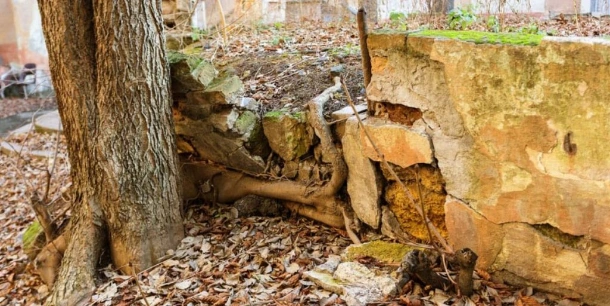
- Base decay: Soft or hollow wood in the lower trunk means the tree can fail without warning.
- Risky placement: Diseased palms near homes require priority removal when they also threaten power lines or walkways.
- Canopy loss: More than half the fronds dead, or a collapsed bud, may put recovery out of reach.
Structural hazards like these are also why some cities require a removal permit.
Why Professional Removal by ISA-Certified Arborists Is Essential
Palm tree removal requires trained crews, specialized equipment, and strict safety practices. ISA-certified arborists work with trained crews that use personal protective gear and specialized rigging equipment.
Disease-control sanitation is equally important. Certified arborists sanitize tools and grind stumps below grade to limit the spread of pathogens.
The Elite Tree Service Commitment to Quality Care
Catching a palm disease early can save the tree, and recognizing the point of no return protects everything standing near it. Our ISA-certified arborists assess disease severity and the condition of watering systems to determine whether treatment or removal is appropriate.
Dedicated customer support starts with clear quotes and reliable scheduling. Also, this guide to palm tree care helps keep your remaining trees strong.
You now know when a diseased palm tree needs to be removed and how to watch for early signs. We provide precision pruning, fertilization, irrigation repair, stump grinding, and emergency storm response across the Valley. Call Elite Tree Service at (602) 603-8393 to schedule an evaluation and written estimate across Phoenix, Scottsdale, Mesa, Tempe, and nearby communities.