The trees in your yard may be doing more harm than you realize, and the damage often starts long before you can see it. Many homeowners ask, “Can tree roots damage foundations?” because root growth and soil movement can both contribute to foundation issues.
In this guide, Elite Tree Service will walk you through how tree root systems threaten your home, which trees pose the greatest risk, and what you can do to protect your property. If you need tree removal in Phoenix, addressing the problem early makes all the difference.
Can Tree Roots Damage Foundations?
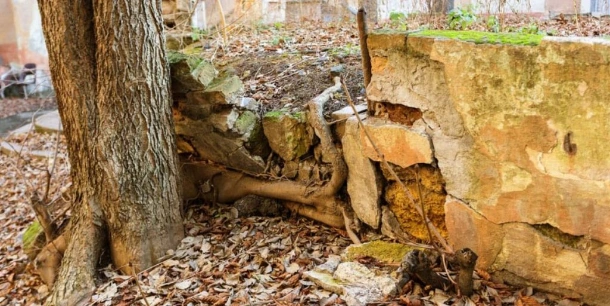
Tree roots usually do not break through concrete by force alone. The bigger concern is how they affect the ground supporting the home. In areas with expansive clay soil, roots can draw moisture as they search for water. When that clay dries out, it shrinks and may leave uneven support beneath the foundation. Over time, this movement can place stress on the structure, especially when the soil does not settle evenly.
How Soil Type Increases the Problem
Soil moisture plays a major role in the extent of movement around a foundation. Clay-heavy soil expands when it absorbs water and contracts when it dries out, which can make tree roots more of a concern during long dry periods. When they draw water from already-dry soil, the ground may shift enough to affect foundation stability.
Which Tree Species Pose the Highest Risk
Trees with higher-risk root behavior can include species identified when choosing tree service professional to evaluate your yard.
- Mesquite: Mesquite trees are common in Phoenix landscapes and can develop extensive root systems as they seek moisture in dry soil.
- Mulberry: Mulberry trees can grow large root systems that may spread toward nearby moisture sources when space is limited.
- Cottonwood: Cottonwood trees are fast-growing and often develop aggressive roots, especially when water is available nearby.
- Palo verde: Palo verde trees are generally desert-adapted, but their roots may still spread widely when planted too close to plumbing lines.
Nearby plumbing lines should be checked when high-risk trees mature.
Understanding Tree Planting Distance
One of the most effective protections a homeowner has is planting trees at a proper distance from structures while maintaining smart irrigation tips for the surrounding area.
The general guideline is to plant a tree no closer to your home than the height it will reach at full maturity.
It is also worth noting that roots can extend well beyond the tree’s visible canopy, depending on the species and soil conditions. A tree with a 30-foot canopy may have roots extending far beyond the drip line, especially where soil moisture is available.
Warning Signs That Roots Are Affecting Your Foundation
If you are asking, “Can tree roots damage foundations?” certain changes around the home may suggest that tree-related soil movement needs closer attention. These include:
- Foundation cracks
- Sticking doors and windows
- Sloping floors
- Visible surface roots
Knowing the signs that it’s time to call a tree service or a foundation specialist can help you act before a manageable issue becomes a costly repair.
The Role of Irrigation in Root Behavior
How and where you water your yard directly influence where roots travel. Shallow, frequent irrigation encourages roots to stay near the soil surface, where water is consistently available. Those surface roots are more likely to spread toward your home, drawn by the relatively stable moisture conditions near the foundation.
Deep, infrequent watering can encourage a healthier, deeper root zone and reduce shallow surface rooting. Adjusting your irrigation schedule is a low-cost step that can meaningfully change how aggressively roots seek out moisture near your foundation.
What To Do if You Already Have a Problem
If you are already noticing signs of foundation damage, the first step is a professional assessment rather than immediate tree removal, keeping in mind important cautions for tree removal. Cutting a large tree without evaluating the root system can destabilize it and create a fall hazard, and removing the tree does not reverse existing foundation damage.
A certified arborist can assess whether root pruning is a viable option and which roots are safe to cut without killing or destabilizing the tree. A structural engineer should evaluate the extent of any foundation movement before making repair decisions.
Protect Your Phoenix Home With Expert Tree Care
Now that we have answered your question, “Can tree roots damage foundations?” the next step is knowing when professional tree care may be needed. Elite Tree Service helps homeowners in Phoenix, AZ, assess problem trees and plan safe removal when necessary.
Before moving forward, check local requirements to confirm whether you need a permit to remove a tree so the work remains compliant. To schedule a consultation, you can call us at (480) 386-1196.