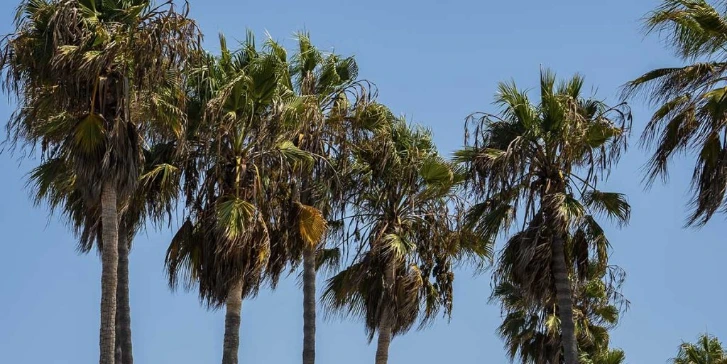
Phoenix winters are mild compared to snowy climates, but your trees can still suffer serious stress from temperature swings, dry winds, and occasional frost. When homeowners skip or mishandle winter care, the result can be weak roots, broken limbs, and costly removals. This guide covers the top five winter tree care mistakes in Phoenix and how to avoid them so your trees stay healthy and safe.
Click Here for professional tree services in the Valley.
1. Overpruning or Pruning at the Wrong Time
One of the most common winter mistakes is overpruning trees or cutting at the wrong time. Removing too much live growth reduces a tree’s energy reserves and makes it more vulnerable to cold snaps and wind. Heavy pruning right before or after a frost can also increase stress and slow recovery.
How to avoid it:
- Focus on removing only dead, diseased, damaged, or clearly hazardous branches in winter.
- Save structural or cosmetic shaping for the recommended season for each tree species (often late winter or early spring for many varieties).
- For large or high-risk trees contact one of our certified arborists to schedule your Tree Trimming & Pruning service with Elite Tree Service instead of doing it yourself.
City of Chandler’s Pruning Calendar for Arizona plants:
https://www.chandleraz.gov/sites/default/files/Pruning-Calendar.pdf
Elite Tree Service is here to help with professional winter tree care, pruning, inspections, and seasonal maintenance. Contact us today to schedule your December service and keep your landscape healthy all year long.
2. Poor Winter Watering Schedules
Another big issue in Phoenix is watering trees like it’s summer—or not watering at all. Many homeowners keep their irrigation timers on a hot-season schedule, drowning roots that need far less water in cool weather. Others turn irrigation off completely, letting the soil dry out and stress the root system.
How to avoid it:
- Cut back on the frequency but continue deep watering—most mature desert trees need watering only once every 3–4 weeks in Phoenix winter.
- Use a deep soak (not a quick sprinkle), and water when the top few inches of soil are dry.
- Reset irrigation timers for cooler weather.
Winter watering recommendations
3. Ignoring Soil and Drainage Problems
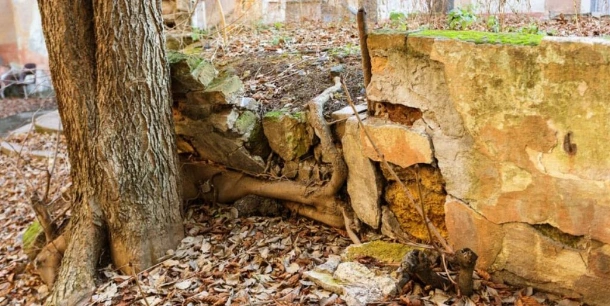
Ignoring drainage is a silent but serious winter mistake. When soil stays soggy around the root zone, especially in cooler weather, roots can suffocate or rot. Low spots, compacted soil, and poorly designed irrigation can trap water near trunks and lead to decline or instability.
How to avoid it:
- Walk your yard after a good rain or deep watering and look for standing water near trees.
- Improve drainage with grading, French drains, or adjusting emitters away from the trunk.
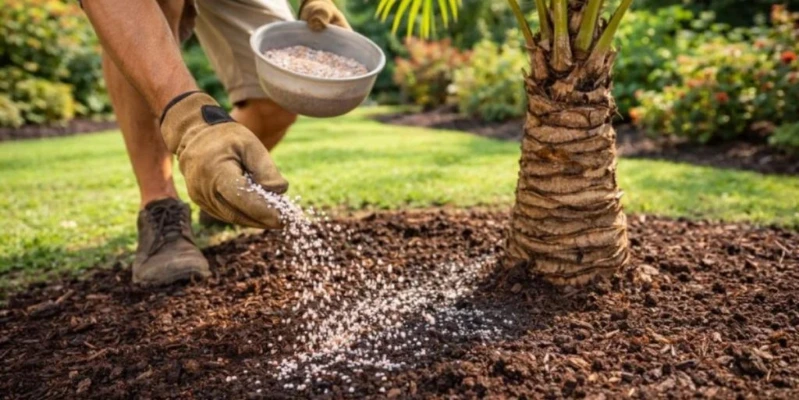
- Maintain soil health: apply 2–4 inches of organic mulch around the root zone, leaving space around the trunk to prevent rot.
- Aerate compacted soil and consider grading if water pools near tree bases.
- Contact us for a Consultation & Evaluation
Check out these Sonoran Desert Winter Watering Guidelines from UA Extension.
4. Neglecting Frost Protection for Sensitive Species
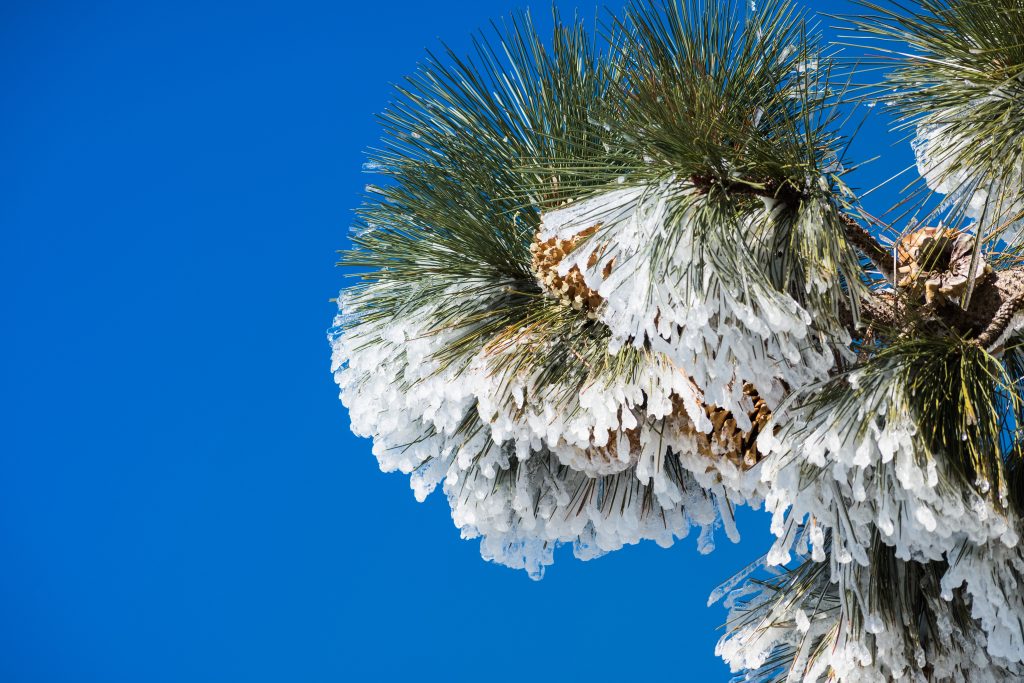
Phoenix doesn’t freeze often, but when it does, sensitive species like young citrus, ficus, and tropical ornamentals can suffer severe frost damage. A common mistake is assuming “it never gets that cold here” and failing to protect tender trees on those critical nights.
How to avoid it:
- Cover young or frost-sensitive trees (like citrus or ficus) with breathable frost cloths or sheets, extending protection to the ground.
- Remove coverings during the day to allow sunlight to warm the tree.
- Wrap trunks or branches exposed by pruning to prevent sunscald, and water the soil before a freeze to help roots retain heat.
5. Skipping Inspections and Safety Checks
Many property owners assume that if a tree looks “green,” it is healthy and safe. In reality, winter wind events and cold snaps can expose hidden structural problems: cracks, weak branch attachments, or decayed trunks. Skipping winter inspections is a major mistake that can lead to limb failures and property damage.
How to avoid it:
- At least once every winter, inspect your trees for cracks, weak limbs, peeling bark, or signs of decay.
- Pay special attention after storms or hard frosts.
- For trees near property, driveways, or power lines, schedule a professional Tree Risk Assessment or health check.
- Contact Our Certified Arborists
Ready for healthier, safer trees this winter?
Contact Elite Tree Service the tree care experts for professional winter pruning, assessment, and emergency services. Avoiding these mistakes now will protect your investment for years to come.
Elite Tree Service is proud to serve Arizona homeowners with reliable tree care, trimming, removal, and emergency services all year long.
Trust the experts at Elite Tree Service to provide the professional care your landscape deserves. Contact us today to schedule a consultation and experience the difference that certified arborist expertise can make for your property.