Why Tree Selection Matters
The right trees can elevate your landscape’s aesthetic appeal, increase property value, and even improve energy efficiency by providing shade and windbreaks. On the other hand, selecting unsuitable trees for your climate or soil type can lead to ongoing maintenance headaches and even early tree failure.
Considerations for Choosing the Right Trees
- Climate Compatibility: Select trees that thrive in your region’s climate. For example, in areas with hot summers and mild winters, drought-tolerant species like mesquite or palo verde are excellent choices.
- Soil Type and Drainage: Evaluate your soil’s pH, texture, and drainage capacity. Some trees, like oaks, prefer well-drained soils, while others, like willows, can tolerate wet conditions.
- Purpose of the Tree:
- Shade: Opt for broad-canopied trees like Chinese elm or ash.
- Privacy: Evergreen species like junipers or cypress create natural barriers.
- Aesthetic Appeal: Flowering trees like crape myrtle or redbud add seasonal color.
- Size at Maturity: Ensure the tree’s mature height and spread fit your available space to avoid future conflicts with structures or power lines.
- Maintenance Needs: Choose low-maintenance varieties if you’d prefer to minimize pruning, watering, or pest control efforts.
Top Hardy, Low-Maintenance Trees for Arizona Landscapes
- Velvet Mesquite: A native tree with a wide canopy for shade, it’s highly drought-tolerant and supports local wildlife.
- Palo Verde: Arizona’s state tree, known for its green bark and yellow blooms, thrives in arid conditions with minimal care.
- Ironwood: This slow-growing tree is incredibly durable, with lavender flowers that attract pollinators.
- Desert Willow: Produces trumpet-shaped flowers and requires minimal water, making it perfect for Arizona’s climate.
- Arizona Cypress: An evergreen option ideal for privacy screens, it’s both hardy and visually striking.
Pro Tips for Planting Success
- Timing is Key: Plant trees during the cooler months to give roots time to establish before the heat of summer.
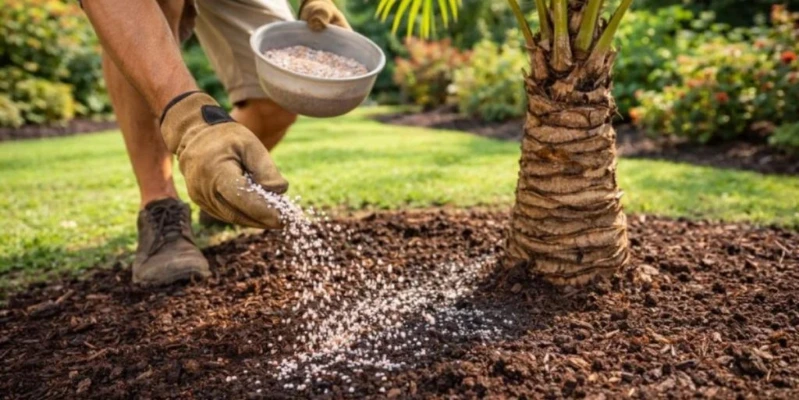
- Amend the Soil: Add organic matter to improve soil structure and nutrient content if needed.
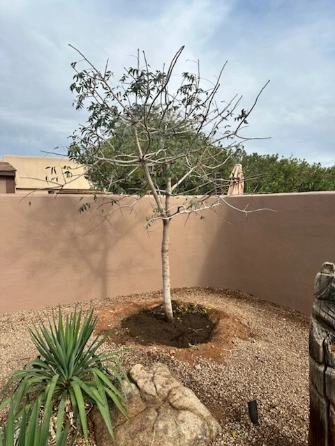
- Mulch Around the Base: A 2-3 inch layer of mulch helps retain moisture and regulate soil temperature.
- Regular Watering: Newly planted trees require consistent watering until they’re established. Once mature, many low-maintenance trees need minimal irrigation.
Plan for the Future
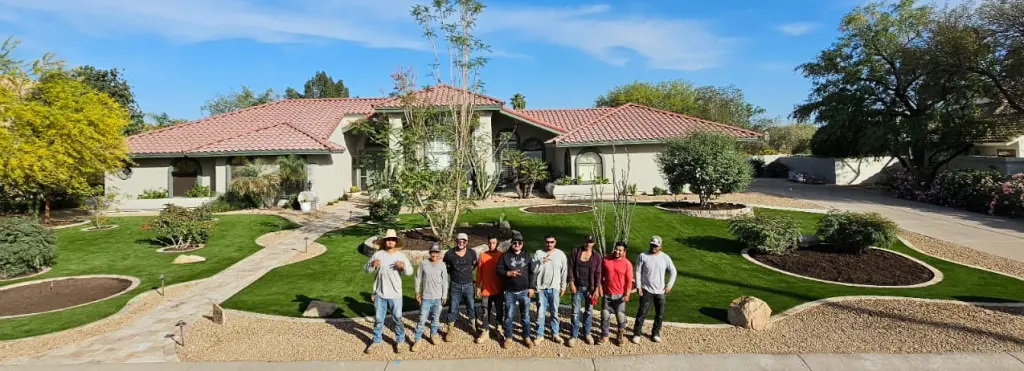
A well-thought-out tree selection today can transform your landscape for decades to come. Consult with one of our certified arborist or landscaping expert to ensure you’re making the best choices for your property’s unique conditions.
Investing in the right trees now will not only beautify your yard but also contribute to a greener, more sustainable environment. Start your New Year with a landscape revamp that lasts a lifetime! We are here to help you with all your needs.