Tree removal can be a necessary part of maintaining your property, but it’s not a task to be taken lightly. Whether you’re dealing with a hazardous tree or simply changing your landscape, understanding the cautions involved in tree removal is crucial for safety and effectiveness. Here’s what you should keep in mind.
1. Hire Professionals
Safety should always come first. While it may be tempting to tackle tree removal yourself, hiring certified arborists is the safest choice. Professionals have the training and experience needed to handle complex and dangerous situations, reducing the risk of accidents.
2. Assess the Surroundings
Before beginning the removal process, thoroughly inspect the area around the tree. Look for potential hazards, including:
- Power lines that could be affected by falling branches.
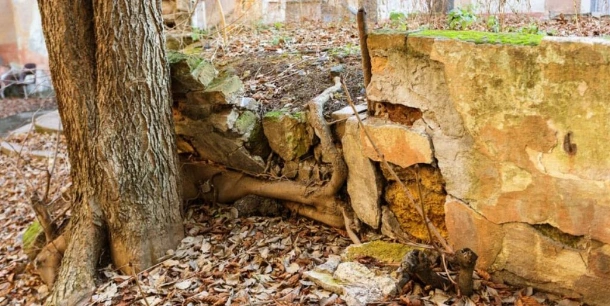
- Buildings or fences that could sustain damage.
- Other trees that might interfere with the removal process.
3. Consider Weather Conditions
Weather plays a significant role in the safety of tree removal. Avoid conducting the removal during:
- High winds: Wind can cause branches to fall unpredictably.
- Rain or storms: Wet conditions can make the ground slippery and hazardous.
4. Plan the Fall Path
When cutting down a tree, carefully plan the direction in which it will fall. Clear the area of obstacles and ensure that no one is in the vicinity during the removal.
5. Check for Wildlife
Before removing a tree, inspect it for signs of wildlife, such as nests or animal habitats. Some trees may be home to protected species, and removing them without checking could lead to legal issues.
6. Understand Local Regulations
Research local laws and regulations regarding tree removal. In many areas, certain species of trees are protected, and you may need to obtain a permit before proceeding.
7. Think About Stump Removal
After a tree is cut down, you’ll have to decide what to do with the stump. Leaving it in place can lead to pest issues and hinder future landscaping. Consider stump grinding or complete removal.
8. Monitor for Disease Spread
If the tree was removed due to disease, monitor nearby trees for signs of infection. Prompt action can prevent the spread and protect the health of your landscape.
9. Post-Removal Care
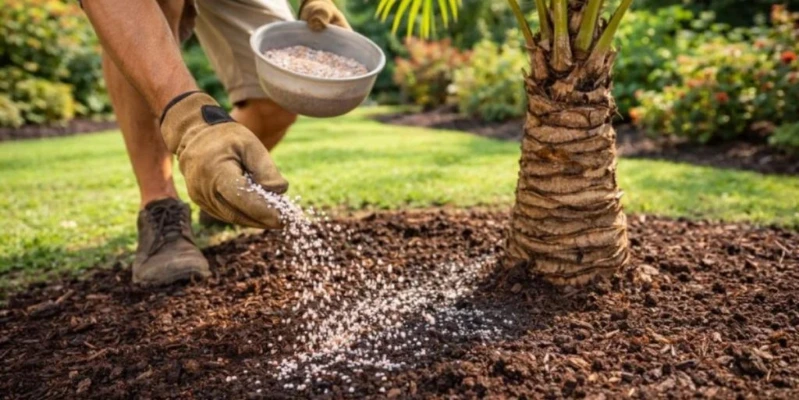
After removal, assess the soil and surrounding plants. You may need to amend the soil or implement measures to manage new growth effectively.
Always contact a certified arborist to ensure the right methods and procedures are met with your tree removal.