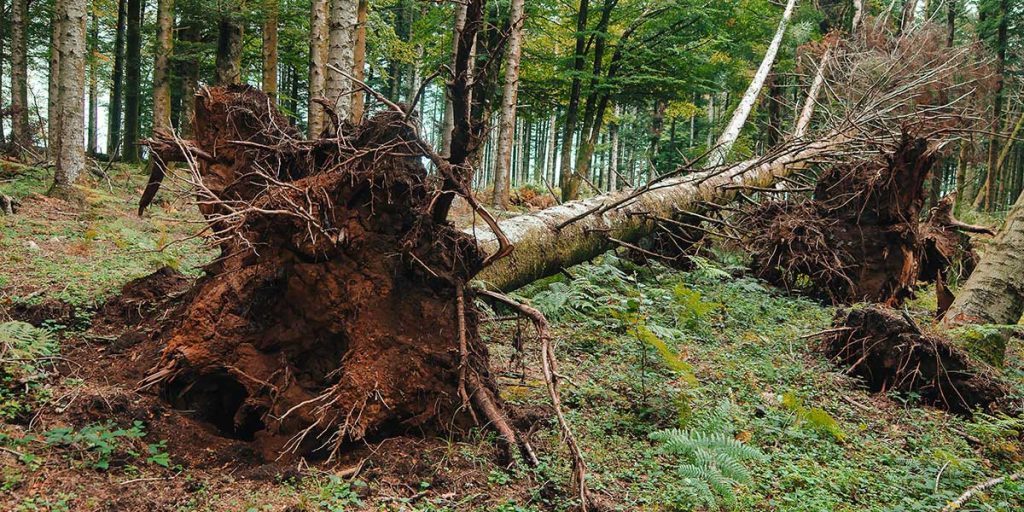
You step outside after a monsoon and find your favorite shade tree leaning sideways with roots torn from the lawn. That sinking feeling hits hard when a tree you have watched grow for years suddenly looks finished. The good news is that not every fallen tree is a lost cause.
The question “Can an uprooted tree be saved?” has a more hopeful answer than many homeowners realize, depending on the tree and how fast you act. In this guide, Elite Tree Service explains when an uprooted tree may recover and how Phoenix arborists evaluate it.
When To Call a Professional Tree Service in Phoenix, AZ
Living in the desert means your trees face intense heat along with sudden monsoon winds that can knock down even healthy specimens. After a storm, the smartest move is calling in a professional tree service in Phoenix, AZ.
That fast response is important because exposed roots can dry out quickly after a tree falls. Local arborists can protect the roots and decide whether recovery is realistic or removal is safer.
Why Trees Get Knocked Down in the First Place
If you are wondering, “Can an uprooted tree be saved?” the answer often starts with what weakened it in the first place. For example, leaving dangerous leaning trees unaddressed makes them far more vulnerable to toppling over during strong monsoon winds. Several conditions can leave a tree vulnerable to toppling, and most build up long before the storm even arrives. Here’s what can make uprooting more likely:
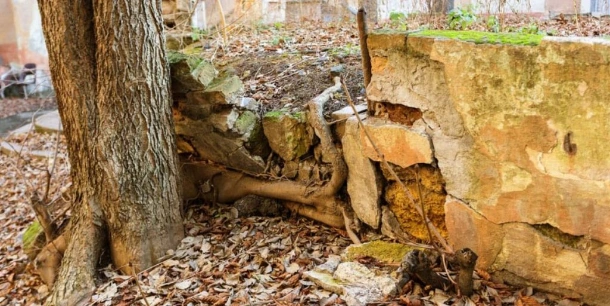
- Age and root decline: Older trees often have weakened or decayed root systems that cannot anchor the trunk during gusty weather.
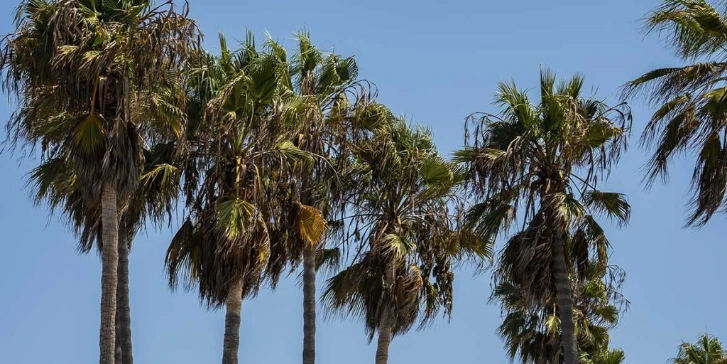
- Oversized canopies: A top-heavy crown catches more wind and pulls the trunk over with surprising force.
- Saturated ground: Long stretches of rain turn dirt into mud and let roots slide loose under high winds.
- Soil compaction: When construction or heavy equipment compresses the soil around a tree, roots struggle to spread and grip properly.
- Disease or pests: Fungal infections weaken roots from the inside without showing obvious surface symptoms.
Signs Your Tree Has a Real Chance at Recovery
Before you start digging, take a careful look at the tree itself. Keeping your trees healthy after a storm starts with recognizing the signs of possible recovery. Evaluating whether the tree is dying after a storm helps you decide if it is worth the effort to replant. Here’s what to check before deciding whether the tree is worth saving:
Size and Age of the Tree
When asking, “Can an uprooted tree be saved?” consider the tree’s size and age first. Smaller trees under 10 feet tall usually stand the best chance. Their roots break less severely, and they are light enough to lift back upright. Larger, mature trees usually suffer too much root damage to survive even after replanting.
Root Ball Condition
Assess whether root ball stabilization is possible before deciding whether the tree can be replanted safely. If most roots stayed intact, the tree may still have a chance to recover.
Trunk Integrity
A trunk with deep cracks or split bark rarely survives even when the roots look fine. The trunk carries water and nutrients, so any structural failure in that regard is usually fatal for the tree.
Time and Quick Response
Roots dry out fast in the desert sun, sometimes within a single day after a fall. The faster you cover them with moist soil and call for help, the better the outcome will be. Prompt emergency tree care can improve survival chances and support recovery from tree shock afterward.
How To Help an Uprooted Tree Recover
Once you decide your tree is worth saving, the next few hours and days matter most for its survival. It is best to hire an arborist to ensure the root care is handled correctly. Acting fast and following the right sequence makes the difference between recovery and slow decline.
- Cover the roots immediately: Cover exposed roots with moist soil to help prevent them from drying out.
- Prune broken branches: Clean cuts with sharp, disinfected tools reduce infection risk during regrowth.
- Lift the trunk carefully: Raise the tree carefully and secure the base with firm soil for support.
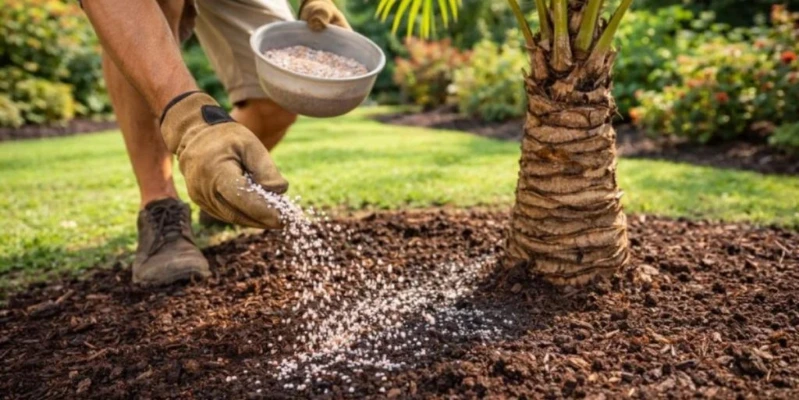
- Keep the root zone moist: Water the soil thoroughly and regularly so roots have steady moisture during recovery.
- Add support stakes: Staking a tree after replanting keeps it upright while new roots establish underground.
Choose Elite Tree Service for Fallen Tree Recovery
Now you have the answer to “Can an uprooted tree be saved?” The next step is getting a safe, honest opinion before the roots dry out further. Knowing how to choose a tree service matters when a fallen tree needs fast attention.
Elite Tree Service handles emergency cleanup and expert tree care across the Valley. Our crew can guide tree replanting when possible and support tree shock recovery after the tree is reset. Call Elite Tree Service today at (480) 386-1196 for fast, reliable tree care across Phoenix, AZ.